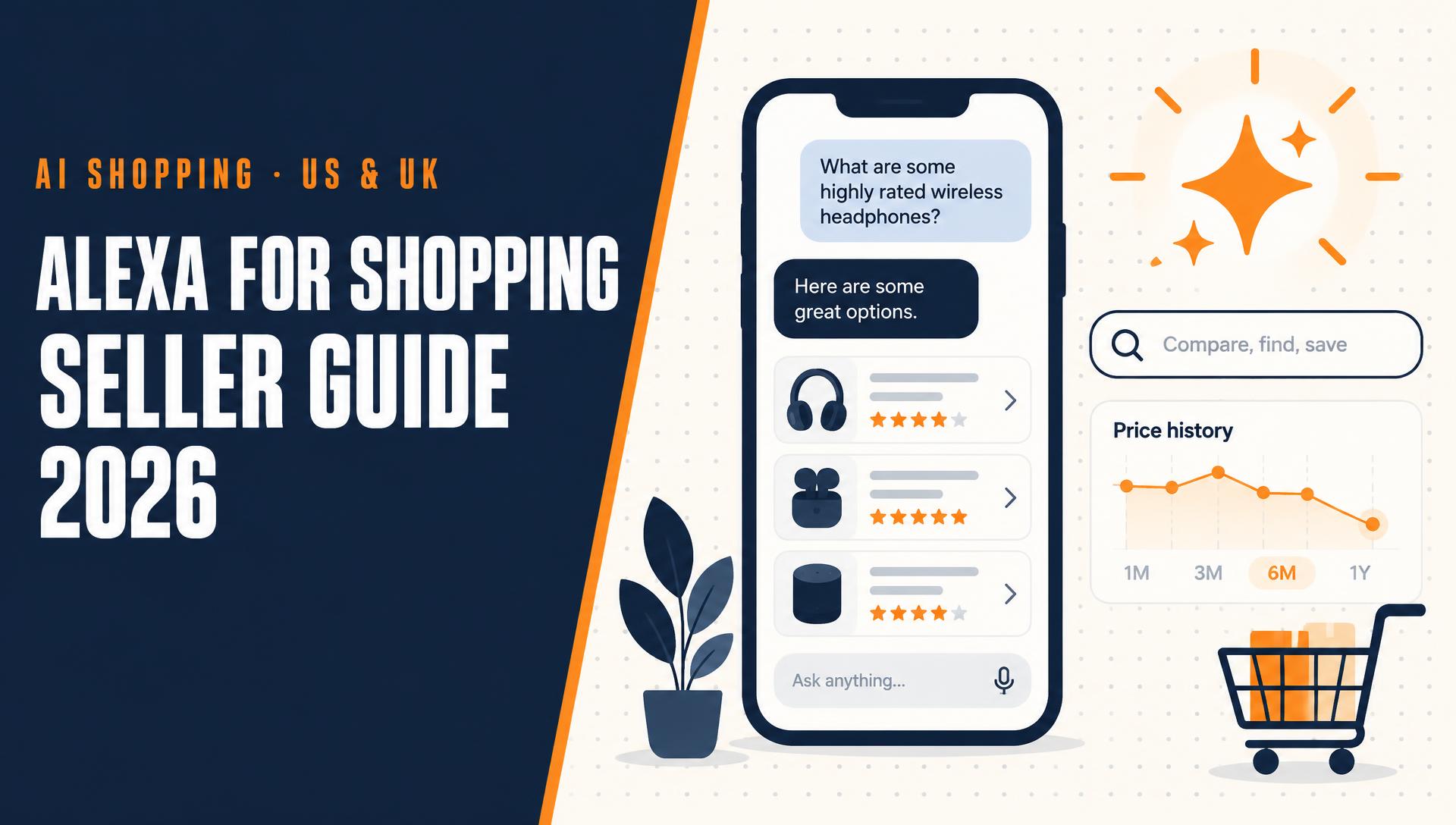
1. What is Alexa for Shopping?
Alexa for Shopping is the AI assistant now built into Amazon's search bar, app and website. Amazon created it by bringing together Rufus, the shopping assistant it launched in 2024, with Alexa+, its generative AI version of Alexa. Amazon says Rufus helped more than 300 million customers in 2025, and that more than 400 million customers worldwide used AI shopping assistance on Amazon in the 12 months before the UK launch.
The biggest practical change is placement. Rufus mostly lived in a chat panel. Alexa for Shopping answers questions typed straight into the main search bar, so a search like 'what do I need for a camping weekend' now gets an AI answer with products, while a plain search such as 'AA batteries' still returns normal results. Shoppers must be signed in, and no Prime membership or Echo device is required.
| Marketplace | Status | Date |
|---|---|---|
| United States | Live; replaced Rufus | Launched May 13, 2026 |
| United Kingdom | Live | Launched November 11, 2026 |
| Other marketplaces | Not announced as of November 11, 2026 | Check Amazon's local news site |
2. What shoppers can do with it, and what each feature means for sellers
Amazon's announcements list the features below. Each one touches a different part of your listing or pricing.
| Feature | What shoppers see | What it means for sellers |
|---|---|---|
| AI overviews | A summary at the top of search results and on product pages explaining a category and what to look for | Your listing is judged against the buying criteria the overview highlights |
| Product comparisons | Side-by-side summaries of features, prices and review highlights | Missing specs and weak reviews show up directly next to competitors |
| Price history | 30-, 60- and 365-day price history on product pages | Inflated list prices and short-lived discounts are visible |
| Shopping guides | Personalized guides for bigger purchases such as TVs or laptops | Clear use cases and specifications help your product fit a guide |
| Basket building | Baskets built from past orders ('add my usual coffee') | Repeat buyers are more valuable; first purchase matters more |
| Price alerts and scheduled actions | Live in the US; announced as coming soon in the UK | Shoppers can wait for a target price before buying |
| Buy for Me and Shop Direct (US) | Products from other websites shown and bought through Amazon | Some competition now comes from brands not selling on Amazon |
3. Rufus vs Alexa for Shopping: what really changed for sellers
Most of the listing work that helped with Rufus still applies, because Amazon says Alexa for Shopping takes over Rufus's product expertise. Three differences matter.
- More shoppers see it: the assistant now sits in the search bar rather than a side panel, so conversational searches trigger it without the shopper choosing to open a chat.
- More personal: answers draw on a shopper's purchase history, browsing and Alexa conversations, so two shoppers can see different recommendations for the same question.
- More action: in the US it can track prices, schedule purchases and buy from other stores, which moves part of the decision from the moment of search to rules the shopper has set.
4. How to optimize Amazon listings for Alexa for Shopping
Amazon has not published how the assistant selects or ranks products, and no outside tool can see its scoring. The safest approach is to make sure everything it visibly summarizes, such as features, specifications, prices and reviews, is complete, specific and consistent across your listing.
- Fill every relevant attribute in the listing, not just title and bullets: size, material, capacity, compatibility, age range, power source. Comparisons are built from specifics.
- Write bullets that answer real questions: who it is for, what problem it solves, what is included, how to use it, and what it does not do.
- Use the words shoppers use in conversational searches, found in Search Query Performance and customer questions, in plain language rather than keyword lists.
- Make images and A+ Content carry the same facts as the text, with clear dimensions and in-use photos, so summaries and visuals agree.
- Keep variation families clean, so the assistant compares the right sizes and colours rather than mixed or duplicate listings.
- Read your product page's AI overview and review highlights as a shopper would. If they emphasize a weakness, fix the cause in the product, packaging or listing.
5. Pricing when every shopper can see a year of price history
Price history on the product page changes deal strategy. A discount that follows a recent price rise is now easy for shoppers to spot, and price alerts let them wait for a target price. That rewards stable everyday pricing with genuine event discounts, and punishes frequent swings.
- Avoid raising prices shortly before a deal event; the 30- and 60-day views make it obvious.
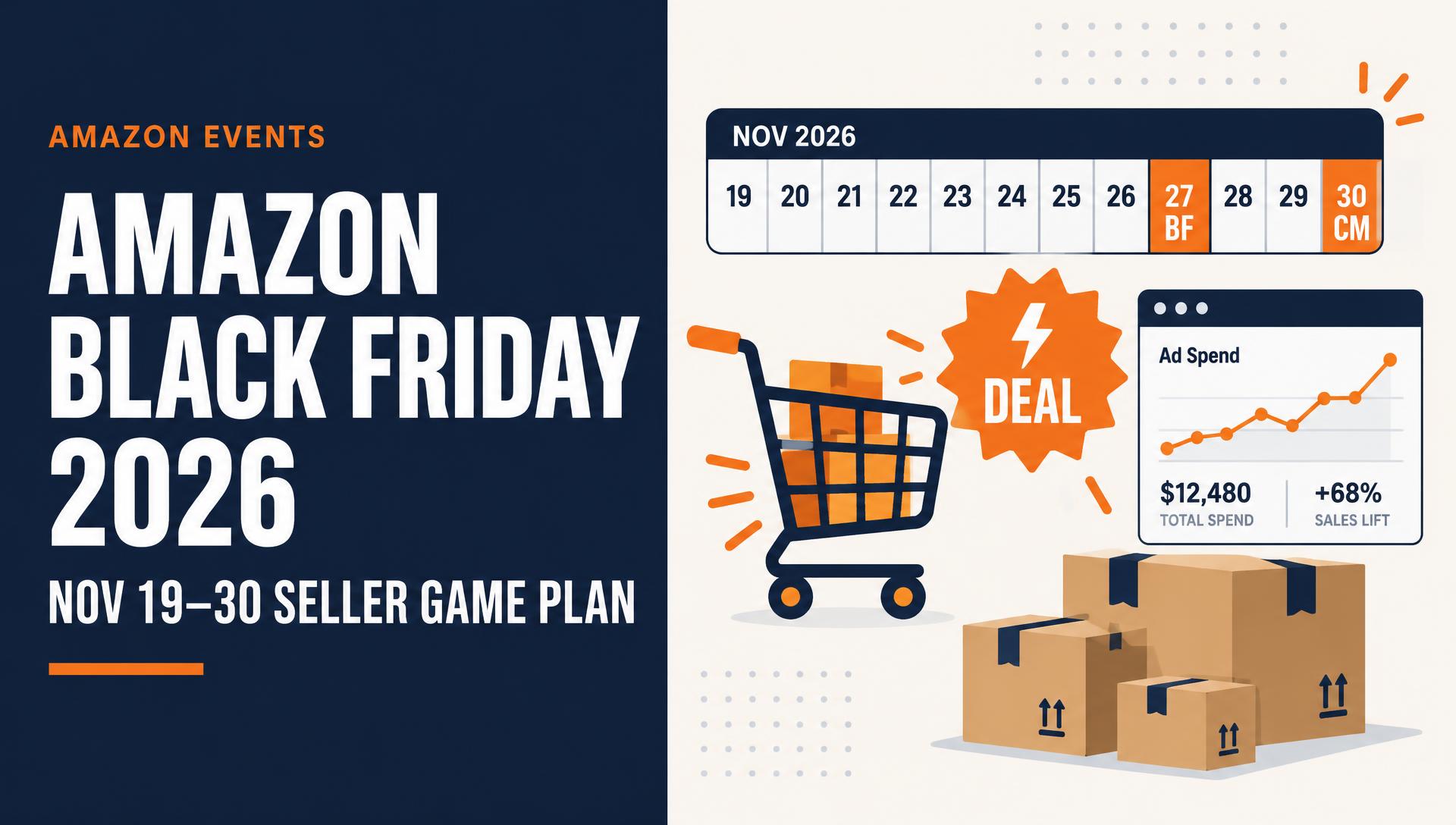
- Plan Prime Big Deal Days, Black Friday and Prime Day discounts as real reductions against your normal price.
- If you sell consumables, protect the price your repeat buyers see, because baskets are built from past orders.
- Model deal margins on 2027 FBA fees, which take effect on January 15, 2027 in the US and Canada.
6. Reviews now speak inside the answer
Comparisons include review highlights, and Amazon's own UK example shows the assistant suggesting gifts with four stars or more that arrive the next day. Ratings, review themes and delivery speed are part of the answer the shopper reads, not just signals further down the page.
Grow reviews only in compliant ways: Amazon Vine for new products, the Request a Review button, good packaging inserts that do not ask for positive reviews, and fixing the product issues that recurring negative themes reveal.
7. What it means for Amazon advertising
Adweek's launch coverage framed Alexa for Shopping as part of Amazon's advertising growth plans. Amazon's own announcements describe the shopping features rather than new ad formats, so check the Amazon Ads console and Amazon Ads announcements for placements that are actually available in your marketplace before changing strategy.
What you can act on now: conversational searches produce longer, more descriptive search terms. Review your search term reports for question-style and use-case queries, add the converting ones as targets, and make sure the products they lead to have listings that answer those questions.
8. Competition from outside Amazon: Shop Direct
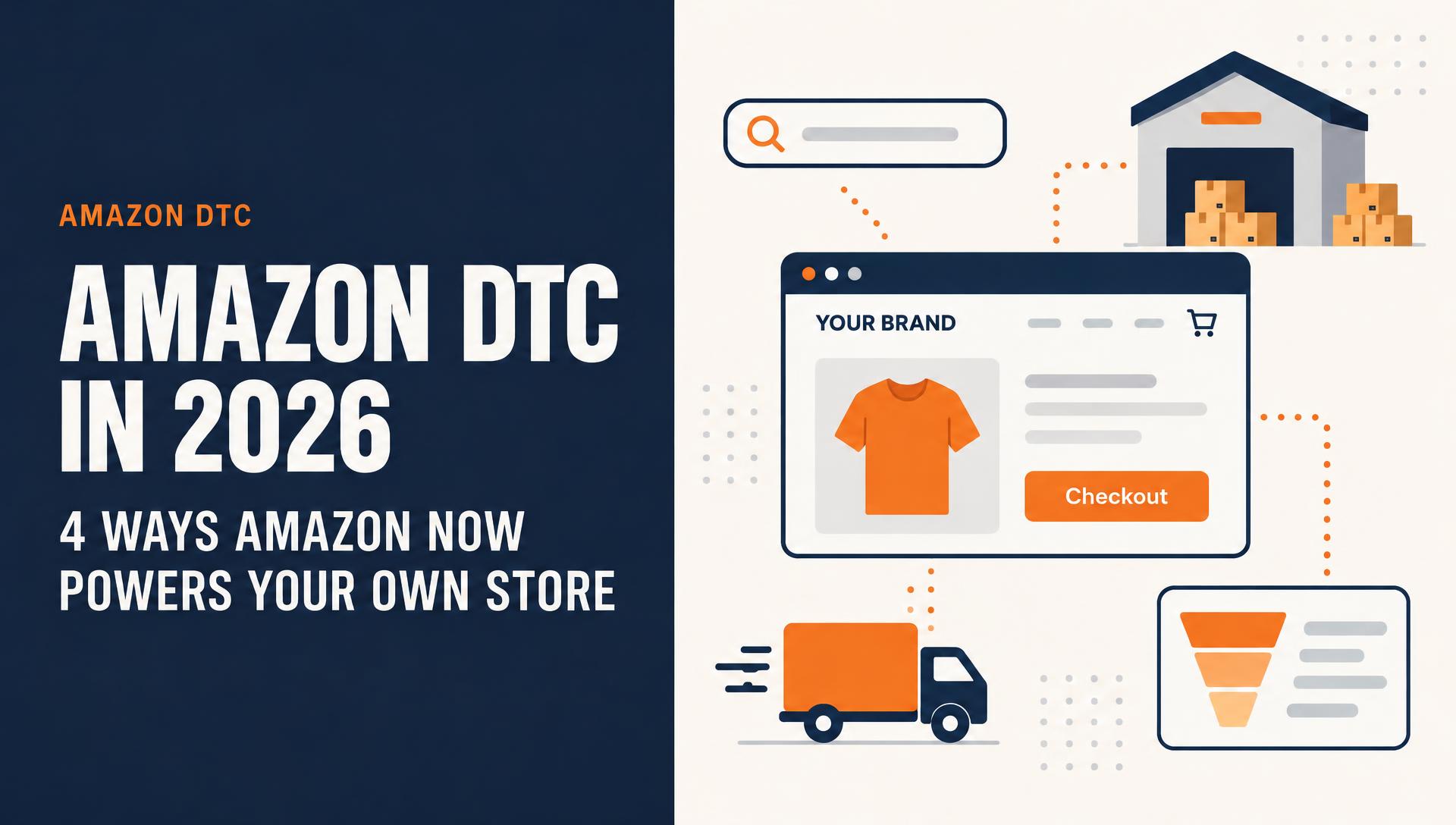
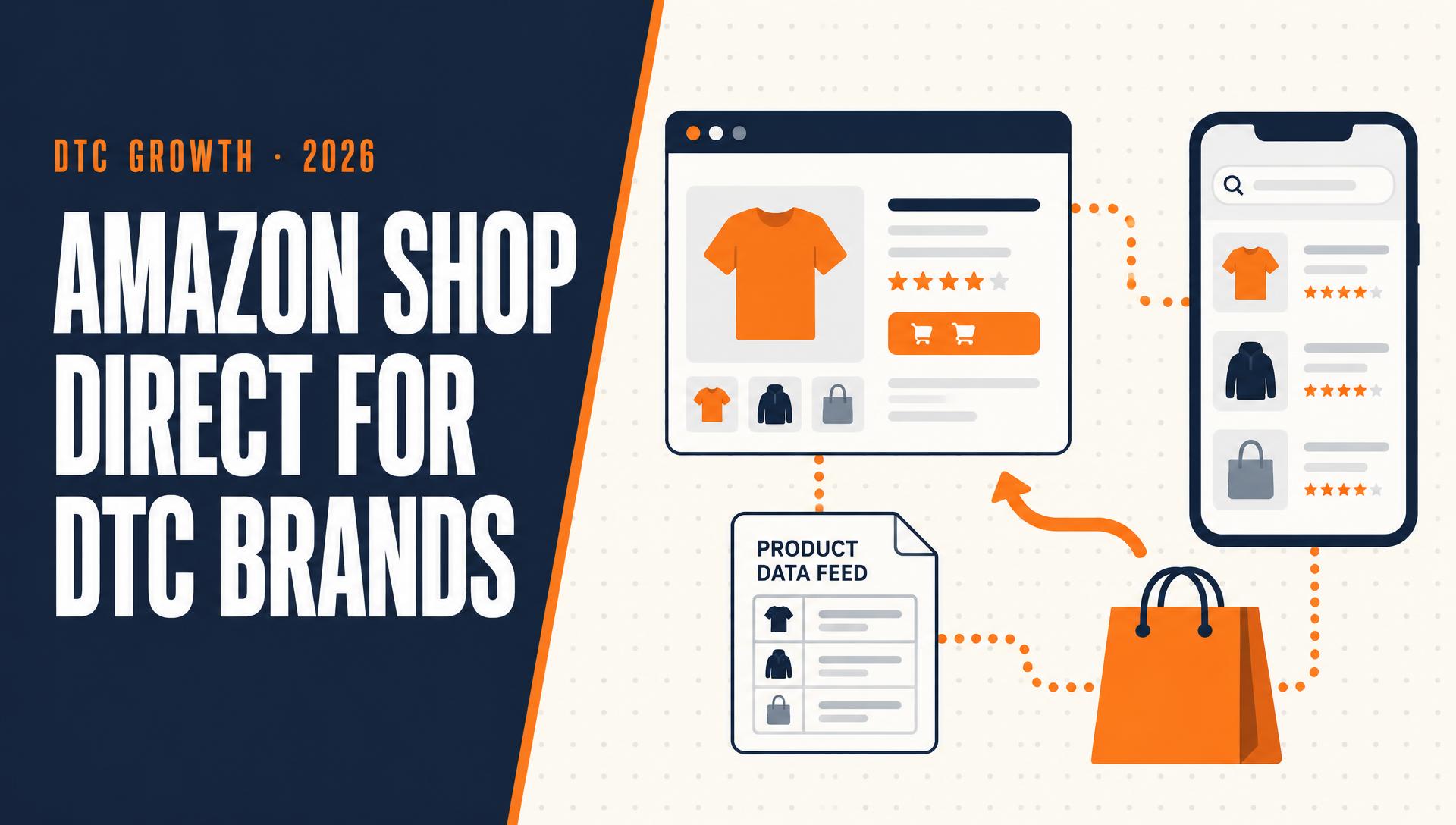
In the US, Alexa for Shopping can show and help buy products from other online stores through Shop Direct and Buy for Me. On November 4, 2026, Amazon launched a free Shop Direct Merchant Workspace so any eligible merchant can connect its website catalog. That means some of the products your listing is compared with may not be sold on Amazon at all.
9. UK and international sellers: localize for the assistant
Alexa for Shopping launched in the UK on November 11, 2026, in the middle of the Christmas season. Amazon says price alerts and scheduled actions will follow in the UK in the coming weeks and months. Amazon's UK examples use British phrasing, such as basket, washing up liquid and the Lake District, which is a reminder that the questions shoppers ask differ by country.
If you copied US listings to Amazon.co.uk, review them now: British spelling, metric and imperial measurements where relevant, UK plug types and sizes, and UK-specific use cases. The same applies to any marketplace where the assistant launches next.
10. A 30-minute Alexa for Shopping audit for your top ASINs
- Ask the assistant the three questions a buyer would ask about your category and note which products it suggests.
- Ask it to compare your product with your two closest competitors and write down every spec it says is missing or unclear.
- Open the price history on your product page and check whether recent pricing looks like a genuine deal.
- Read the review highlights shown for your product and list the negative themes.
- Check that title, bullets, attributes, images and A+ Content all give the same facts.
- Fix the top three gaps and repeat the test in two weeks.