What is Amazon listing optimization?
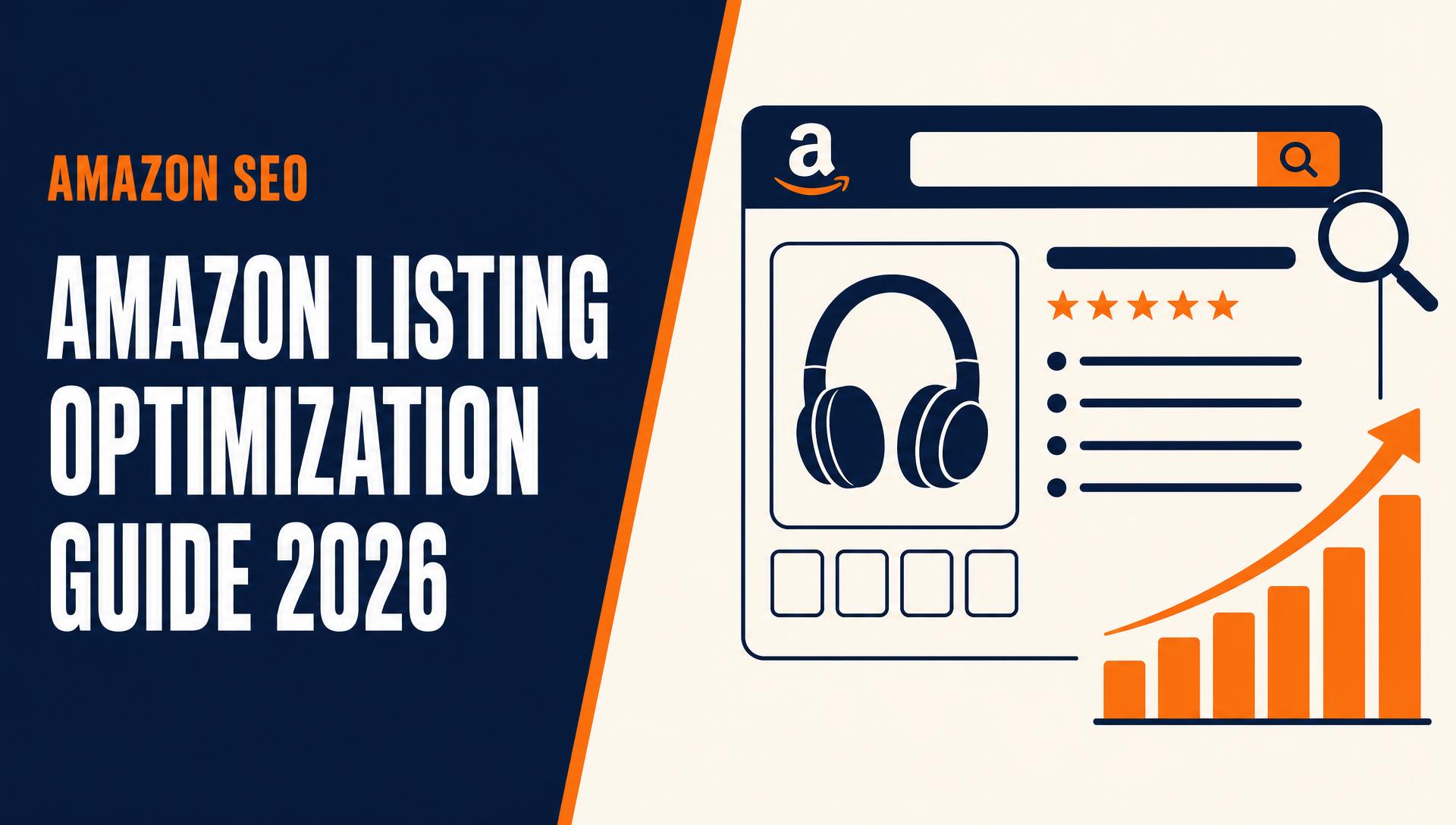
Amazon listing optimization is the process of improving every element of a product listing - title, images, bullet points, description, backend search terms, and A+ Content - to increase both search ranking (visibility) and conversion rate (sales).
Unlike traditional web SEO, Amazon's algorithm prioritizes listings that actually sell, not just listings that match a keyword. Relevance gets you into the auction; conversion decides whether you stay there.
Why listing optimization matters for Amazon sellers
An unoptimized listing can be effectively invisible to the majority of relevant shoppers even when the product itself is excellent, because it never gets indexed or ranked for the queries those shoppers type.
- Organic search ranking on Amazon depends on indexed relevance plus sales history
- PPC performance suffers when a poor listing wastes ad spend on clicks that do not convert
- Conversion rate is rewarded by Amazon with more organic visibility
- Return and refund rates fall when accurate listings set correct expectations
Key elements of a high-ranking Amazon listing
Product title: front-load the most important keyword, include the brand name, and clearly state key specs such as size, quantity, and color without keyword stuffing. Amazon's 2026 algorithm penalizes titles that read as unnatural or spammy.
Bullet points: each bullet should lead with a benefit, not just a feature, and naturally include a secondary keyword. Five bullets is standard, and the first two matter most because they are visible above the fold on mobile.
Backend search terms: this hidden field should carry synonyms, misspellings, and related terms that do not fit naturally in the visible copy. Never repeat words already present in the title.
Images: listings with six to seven images - including lifestyle, infographic, and size-comparison shots - consistently convert better than listings with only the mandatory white-background image.
A+ Content: brand-registered sellers should use A+ Content to answer common pre-purchase questions visually. That reduces returns and raises conversion, both of which feed back into ranking.
| Element | Primary job | 2026 best practice |
|---|---|---|
| Title | Relevance and click-through | Brand, primary keyword, defining spec, size or count - readable, not stuffed |
| Bullets 1-2 | Conversion above the fold | Benefit first, proof spec second, one idea per bullet |
| Bullets 3-5 | Objection handling | Compatibility, care, what is in the box, secondary keywords |
| Backend terms | Indexing coverage | Synonyms, misspellings, non-brand variants; no repeats of the title |
| Images | Click-through and conversion | 6-7 images: hero, lifestyle, infographic, size comparison, in-use |
| A+ Content | Conversion and returns | Comparison chart plus use-case modules in readable text |
How does the Amazon algorithm (A9/A10) rank listings?
Amazon's ranking system weighs several signals together rather than optimizing for any single one. A listing that wins on relevance but loses on conversion will slide, and a listing that converts well but is indexed poorly never gets the chance.
- Keyword relevance - does the listing match the search query?
- Conversion rate - do people who see the listing actually buy?
- Click-through rate - do people click the listing in search results?
- Sales velocity and history - is the product selling consistently?
- Inventory and fulfillment health - is it in stock and shipping reliably, where FBA generally has an edge?
- Customer satisfaction signals - reviews, ratings, and return rate
How long does it take to see results?
Most sellers see initial ranking movement within two to four weeks of a full listing overhaul. More significant, stable improvement lands over sixty to ninety days, once the algorithm has accumulated enough sales and conversion data to re-rank the listing with confidence.
That is why partial edits every week are counterproductive. Change the listing deliberately, hold it steady, and read the Search Query Performance report before touching it again.
Aligning PPC with the optimized listing
Advertising and listing copy should target the same keyword set. When campaigns buy traffic for terms the listing does not support, you pay for clicks that cannot convert, and the resulting poor conversion rate drags organic rank down with it.
The practical loop is simple: harvest converting search terms from PPC, promote them into the title and bullets, and let the improved organic rank reduce your dependence on paid placement over time.
- Mine converting search terms monthly and feed the best ones into visible copy
- Negate terms the listing genuinely does not serve instead of rewriting copy to chase them
- Watch conversion rate by search term, not just ACOS, when judging keyword fit
Common mistakes that hurt Amazon listing rankings
- Keyword stuffing titles until they read unnaturally
- Ignoring backend search terms entirely
- Using only the single mandatory product image
- Letting PPC campaigns run without aligning search terms to the listing's actual keywords
- Not updating listings after a suspension, policy change, or algorithm update