What an Amazon expert or consultant actually does
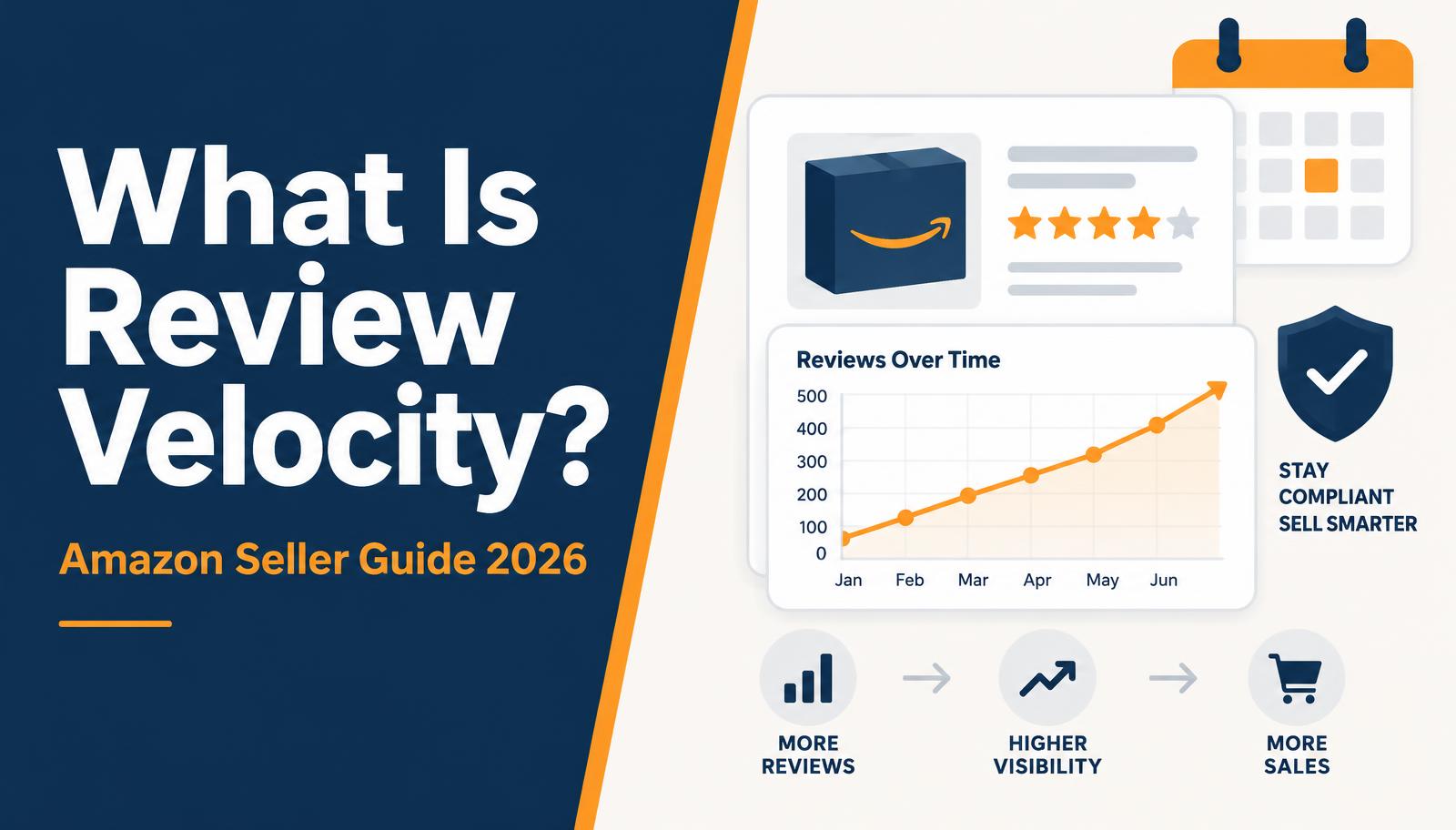
The label covers very different roles, so start by defining the job. A PPC consultant audits and rebuilds campaign structure. An SEO consultant rewrites listings around search query data and fixes indexing gaps. An account health specialist handles suppressions, policy warnings, and reimbursements. A launch consultant plans ranking and review velocity for new ASINs.
The common thread: a consultant advises and directs, while you or your team execute. That is the core difference from an agency, which owns execution end to end. Knowing which model you need prevents the most expensive hiring mistake: paying advisory rates for work nobody on your side has time to implement.
| Specialist type | What they own | Typical engagement |
|---|---|---|
| PPC consultant | Campaign structure, bids, wasted spend, ACoS and TACoS targets | Audit plus monthly advisory |
| SEO consultant | Keyword research, listing copy, backend terms, indexing | Fixed project per ASIN set |
| Account health specialist | Policy compliance, suppressions, appeals, reimbursements | Per-case or monthly retainer |
| Launch consultant | Ranking plan, pricing, review strategy, inventory timing | Fixed 30 to 90 day project |
What fair pricing looks like in 2026
There is no official rate card, but pricing falls into predictable shapes. Hourly advisory suits short diagnostics. Fixed project fees suit listing rewrites and audits with a defined deliverable. Monthly retainers suit ongoing PPC or account oversight. What you should question is not the number itself but whether the scope behind it is written down.
Two pricing red flags repeat across failed engagements: fees tied only to revenue with no baseline definition, which rewards the consultant for growth they did not cause, and very low flat fees for complex account recovery work, which usually means templated appeals that risk repeat suspensions.
- Ask for the deliverable list in writing before discussing price
- Confirm who owns the ad account, campaign history, and creative files if the engagement ends
- Treat guaranteed ranking or guaranteed sales language as a disqualifier, not a benefit
Vetting questions that expose weak operators
Generic questions get generic answers. Scenario questions about your real account reveal how someone actually thinks. Describe a symptom you are seeing, such as rising ACoS with flat sales or a listing losing rank after a price change, and ask them to walk through their diagnostic order.
Strong consultants answer in a sequence: they name the reports they would pull first, the hypotheses they would test, and what evidence would change their mind. Weak ones jump straight to a solution before seeing any data, or hide behind jargon instead of reasoning.
- Which reports would you pull in the first week on our account, and why those?
- Show a before-and-after example of an account you worked on, with the timeframe and what you personally changed
- What would make you tell us not to hire you?
- How do you document changes so we can audit your work later?
How to verify credentials and past work
Amazon runs two official directories worth checking: the Amazon Ads Partner directory for verified advertising partners, and the Service Provider Network inside Seller Central for vetted service providers across categories. Presence in a directory is a baseline signal, not proof of quality, but absence from both is worth a question.
Beyond directories, ask for references you can actually contact, and look for consistency between what they claim and what they publish. Consultants who write detailed, checkable guidance in public usually reason the same way in private. Vague thought leadership with no specifics is a warning sign.
When a consultant is enough, and when you need an agency
Hire a consultant when the problem is defined and your team can execute: a PPC audit, a listing overhaul, an appeal. Hire an agency when the problem spans functions and nobody internally has the hours: ads coordinated with inventory, creative refreshed alongside SEO, weekly reporting someone actually reads.
The deciding question is operational, not financial: who implements the recommendations on Monday morning? If the honest answer is nobody, advisory spend will not move the account no matter how good the advice is.
What the first 30 days should look like
A competent engagement starts with an audit, not changes. Expect the first one to two weeks to go into data gathering: campaign exports, search query reports, listing and pricing history, and account health records. Recommendations should arrive as a prioritized document, each item tied to evidence and an expected direction of impact.
By day 30 you should have a written baseline, a change log of everything touched, and a review cadence. If a month passes with activity but no baseline and no documentation, you are paying for motion, not progress.